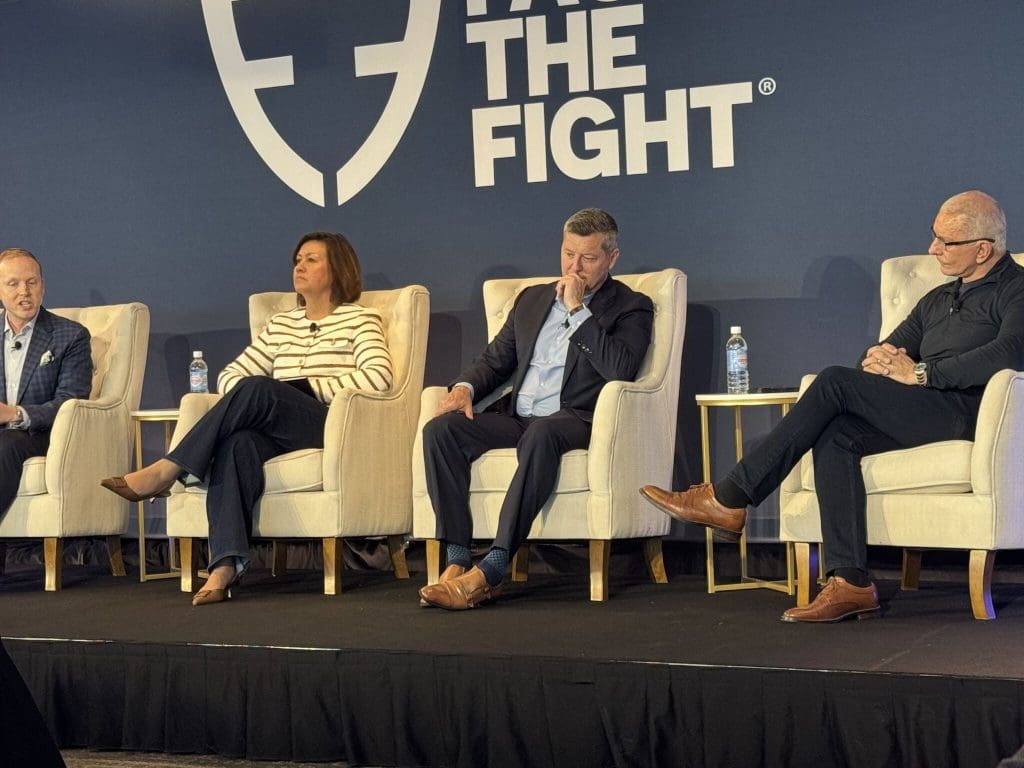
Last week I had the honor of attending the Face the Fight Summit. It was great reconnecting with longtime friends and partners, and meeting many new leaders committed to supporting our veterans and their families.
One thought kept coming back to me.
If we truly want to move the needle on veteran suicide, we must widen the lens beyond the individual warrior and look at the entire family system.
For 19 years, at Project Sanctuary, we’ve seen the same truth again and again: Spouses, caregivers, and children are often the first to recognize when something isn’t right — long before any formal system becomes involved.
Families are not just part of the story. They are part of the solution.
Many warriors begin healing through clinical care or peer programs.Programs like Project Sanctuary often become the next step — helping families rebuild connection, communication, and resilience together. That’s how real systems of care are built.
Collaboration. Not competition. Our work doesn’t compete with other programs. It complements them.
After nearly two decades working alongside military families, we know this approach works.
The research supports it.
The outcomes support it.
And the families certainly do.
Families deserve a seat at the table. Project Sanctuary deserves a seat at the table.
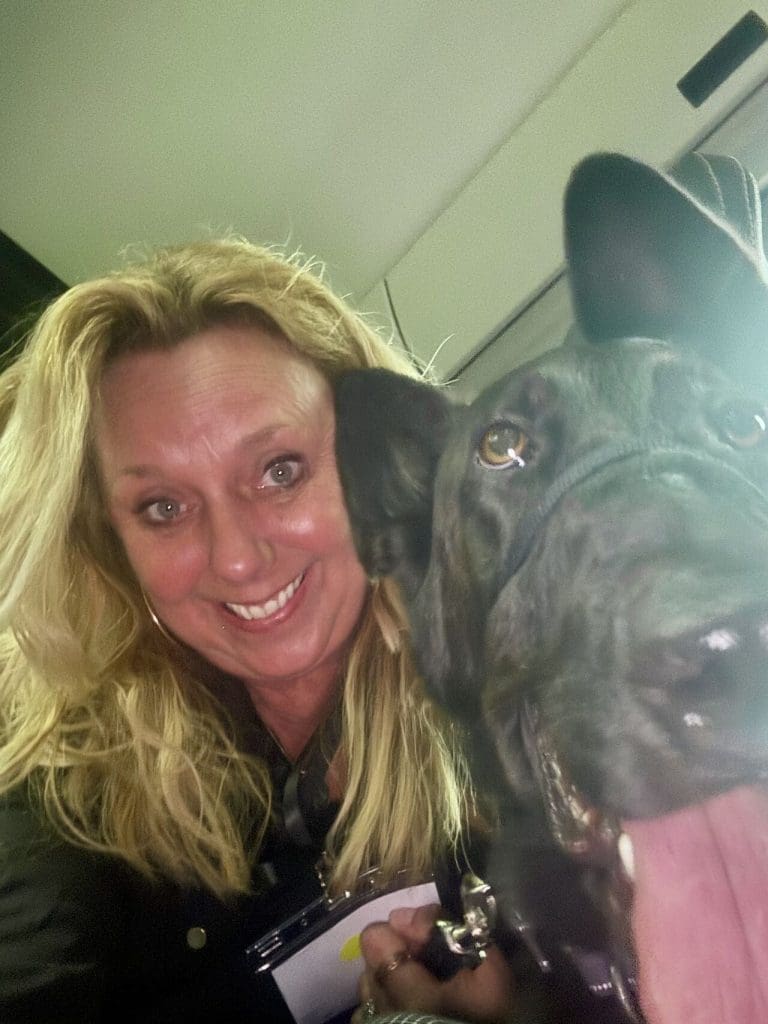
Also worth noting — GoGo Margo attended every session, made plenty of new friends, and was one of most popular attendees in the room. 🐾
Grateful to be part of this movement and to work alongside so many committed partners.
Face The Fight, Humana Foundation, Reach Resilience, Chris Ford, Melissa Comeau, Babs Chase, Robert Irvine, Wounded Warrior Project, Mark Graham